Closing a production plant is not just about emotions, documents, and formalities. It involves decisions about machines that worked for the company just yesterday. Production lines and specialist equipment can become a burden or a real financial support. Everything depends on your approach. This guide will help you organise your options. You can avoid costly mistakes and close the subject of machines quickly, rather than dragging it out for months.
Are you closing a plant and keeping a production line? Check if selling the whole thing will save you months of stress
If you are closing a plant, your first thought is often: “sell the machines and be done with it”. The key question appears at this stage. It decides the time, costs, and level of stress. Should you sell the complete production line as a whole, or break it into single parts?
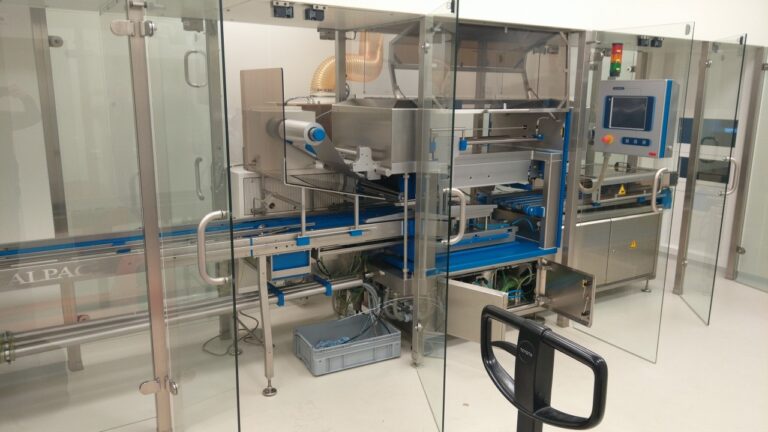
Selling a complete production line is often much simpler than it seems. You have one valuation, one process, and one buyer. You do not need to store equipment, watch over it, or answer dozens of questions. For many companies, this is a way to quickly close the fixed assets subject. This is very important during formal liquidation, bankruptcy, or a takeover. Importantly, a complete line is a ready solution for buyers, not just a collection of random machines. This increases its market attraction.
On the other hand, it is worth knowing that selling the whole set does not always mean a lower price per unit. On the contrary, a consistent, complete production line has a higher value for investors or new plants starting “from zero”. They save money on design and matching compatible devices. You save time, reduce formalities, and avoid hidden costs such as long-term storage. In practice, selling the whole line is often the shortest path from the decision to close the plant to getting money in your account.
Selling machines one by one or in bulk? A calculation of profits and losses that nobody counts at the beginning
The decision to sell machines individually often seems logical. You think: “I will sell for more because every machine will find a buyer”. This plan may be challenging to implement. Each device requires a separate valuation, set of documents, set of negotiations, and separate transport. You also have to wait weeks or months for good results. You pay for costs while the equipment sits idle, takes up space, and generates no value. The real cost of storing idle food-processing machines can therefore become an important part of the calculation. Moreover, not all machines for the food industry sell at the same speed. Some disappear quickly, while others stay for a long time and block the whole closing process.
Wholesale means giving the entire machine park to one entity. This solution makes sense when you look at the subject as a whole. You have fewer formalities, a single schedule for dismantling, and a single responsibility for logistics. These are real savings of time and energy. Of course, in some cases, the unit price may be lower. However, the final balance is often better because you do not pay for stoppages and storage. For closing companies, this is often the most predictable and safe model. If speed and simplicity are the priority, selling equipment directly to a company that offers the purchase of used food processing machines can significantly shorten the process.
Machines for the food industry after closing a company – why their sale follows different rules
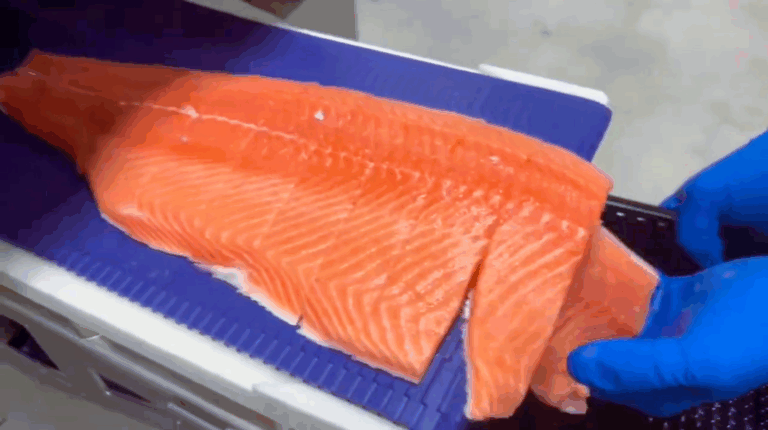
Machines and production lines used in the food industry follow different rules than standard industrial devices. Here, the technical condition is important, as is the history of use and hygiene rules. The possibility of using them again for food production is key. When closing a food plant, it matters if the line worked according to procedures. Buyers look for manuals and certificates. These elements shorten the time to start production again, so they affect the value of the offer.
In practice, this means that selling food machines “for parts” often takes away their biggest advantage. That advantage is consistency and readiness for work. A complete line is much easier to set up in a new plant. From your perspective, this means more interest and a shorter sale time. It is worth remembering that buyers in this industry often look for “turnkey” solutions. A well-prepared sale of a complete food line is often the difference between a quick transaction and a long wait for a buyer. If you are still deciding how to approach the transaction, it is worth comparing the available options for selling machines and production lines.
Dismantling, transport, valuation – three elements that can eat your budget or save it
In the process of closing a plant, you can lose money due to poor sales and inadequate technical planning. Dismantling machines without a plan can generate huge costs. Transporting machines separately is also expensive. Then there is the problem of valuation. It can be overly optimistic or overly pessimistic due to a lack of market analysis. As a result, chaos may arise instead of a smooth process. A comprehensive approach helps avoid this. You should treat sales, dismantling, and logistics as one project, not three separate tasks.
A proper valuation of production machines and lines includes more than just their monetary value. It also includes their configuration, wear, and technical costs of moving them. When these elements are counted together, the decision is easier. You can decide whether it is worth selling the equipment as a whole. You gain control over the budget instead of reacting to unforeseen expenses. The choice of dismantling method determines whether the sale will provide real financial support or create an additional problem.
Selling to a buying service vs. finding buyers yourself – a quick decision or maximum price?
Finding buyers yourself is tempting because of the vision of a maximum price. However, it involves a lot of work and uncertainty. Each inquiry means talks, negotiations, and technical arrangements. These do not always end in a transaction. During this time, you are still responsible for the machines and their safety. This can be too burdensome when closing a company, especially when you have legal and accounting formalities to do.
Selling to a machine-buying service or selling everything to one entity is a solution that focuses on speed and predictability. You receive one offer, clear terms, and specific dates. You do not waste months searching, and funds appear when they are needed most. For many companies, this is a sensible compromise between price and peace of mind. Importantly, a professional approach often includes not only the purchase but also the organisation of dismantling and transport. Thanks to this, the liquidation of the machine park is no longer a challenge. It becomes a successfully completed stage of the whole operation.
If you want to close the subject of machines quickly and in an orderly way, ERY Food Machinery offers the purchase of used machines and complete production lines. We provide a fair valuation based on real market conditions, clear rules of cooperation and support in dismantling and logistics. This is a solution for companies that want to recover funds without prolonging negotiations or unnecessary formalities.